冷库运营沿袭干仓租赁还是服务运营?

2021-09-28 356 本站
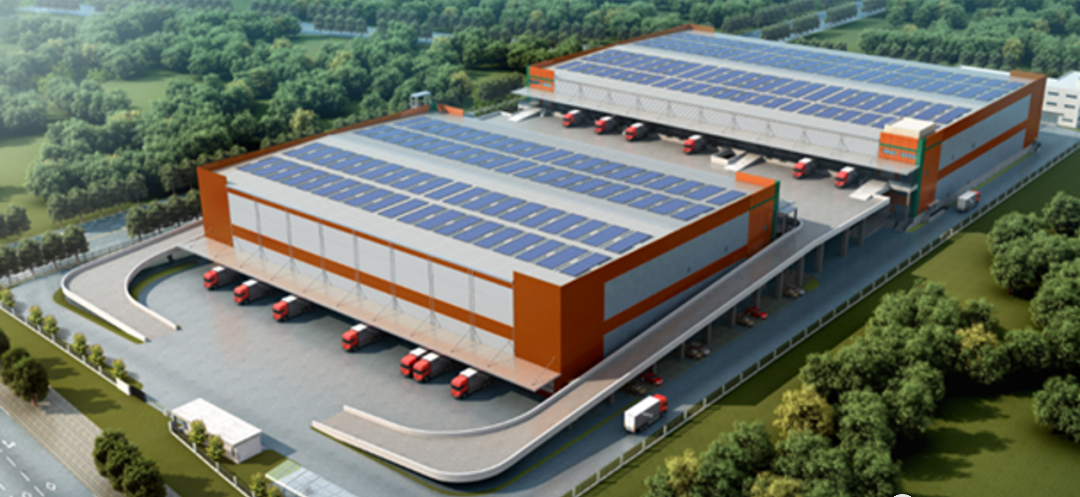
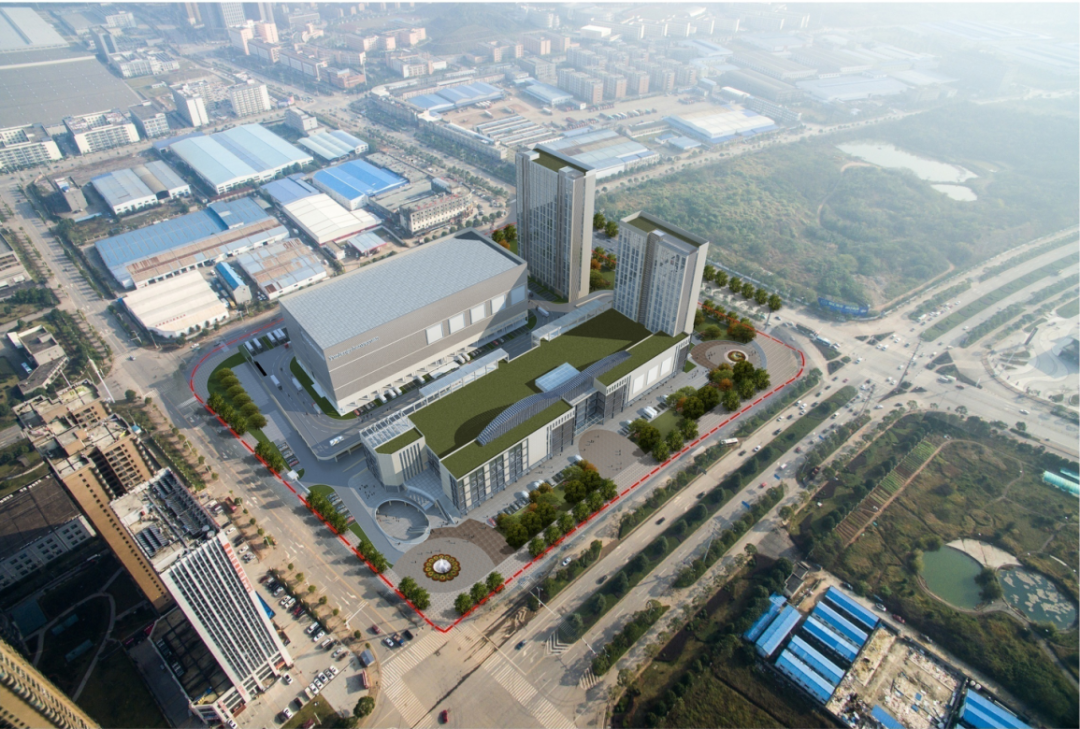
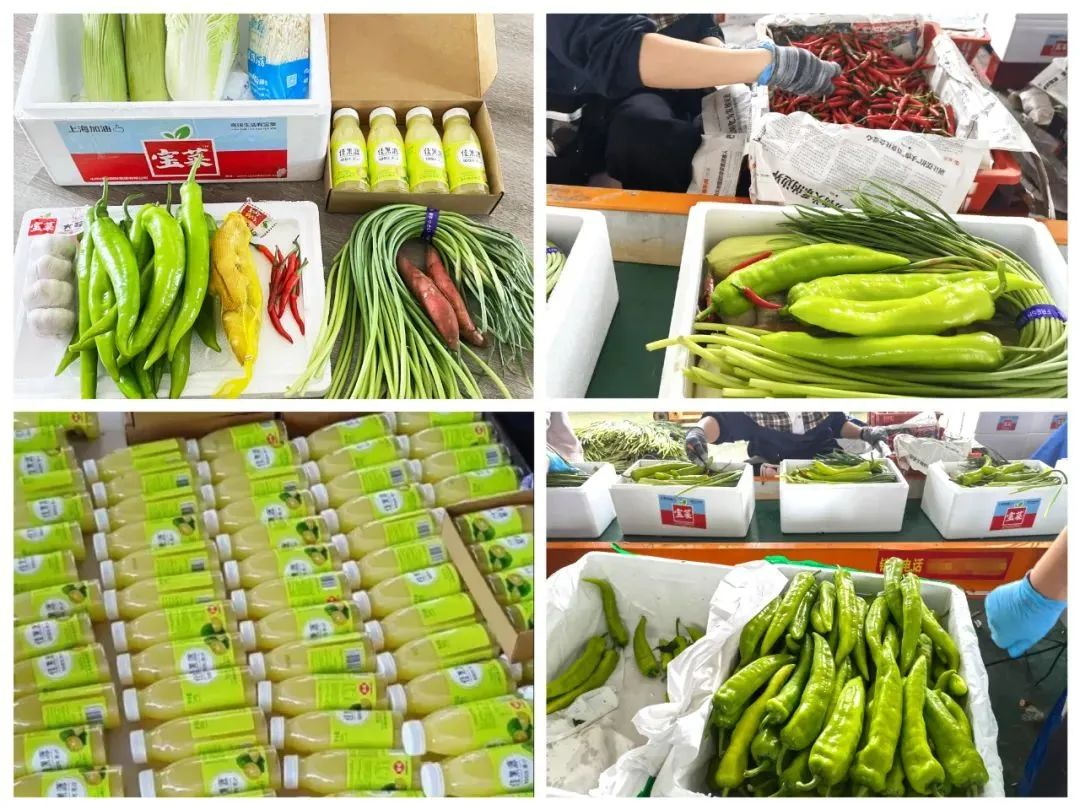
<p style="margin: 0px; text-indent: 0px; padding: 0px; line-height: 150%; background: rgb(255, 255, 255);"><span style="font-size: 16px;"><strong style="font-size: 16px;"><span style="font-family: 微软雅黑; line-height: 150%;">国内冷库的传统运营模式有五种:</span></strong><br/></span></p><p style="margin: 0px; padding: 0px; line-height: 150%;"><span style="font-family: 微软雅黑; line-height: 150%; font-size: 16px;">&nbsp;</span></p><p style="margin: 0px; padding: 0px; line-height: 150%;"><span style="font-size: 16px;"><span style="font-family: 微软雅黑; line-height: 150%;">一是</span><strong><span style="font-family: 微软雅黑; line-height: 150%;">依托大客户型模式</span></strong><span style="font-family: 微软雅黑; line-height: 150%;">,整个园区为单一客户及其配套服务,对软硬件要求高,虽然服务简单,但投入大要求多,收益也压得厉害。</span></span></p><p style="margin: 0px; padding: 0px; line-height: 150%;"><span style="font-family: 微软雅黑; line-height: 150%; font-size: 16px;">&nbsp;</span></p><p style="margin: 0px; padding: 0px; line-height: 150%;"><span style="font-size: 16px;"><span style="font-family: 微软雅黑; line-height: 150%;">二是</span><strong><span style="font-family: 微软雅黑; line-height: 150%;">依托批发市场型冷库模式</span></strong><span style="font-family: 微软雅黑; line-height: 150%;">,比如农批市场的冷库针对市场商户,贮存规模小、储存周期短,这种库投入不高、硬件要求低、客户群体相对集中,对价格不敏感,管理杂乱无序。</span></span></p><p style="margin: 0px; padding: 0px; line-height: 150%;"><span style="font-family: 微软雅黑; line-height: 150%; font-size: 16px;">&nbsp;</span></p><p style="margin: 0px; padding: 0px; line-height: 150%;"><span style="font-size: 16px;"><span style="font-family: 微软雅黑; line-height: 150%;">三是</span><strong><span style="font-family: 微软雅黑; line-height: 150%;">自有终端超市型冷链配送中心模式</span></strong><span style="font-family: 微软雅黑; line-height: 150%;">,把自己的主营业零售作为一个基础,一般大商超都有冷链配送中心,它也给相关联企业供应商提供仓储做第三方服务,这是成本中心的做法,所追求的是成本优化而非盈利。</span></span></p><p style="margin: 0px; padding: 0px; line-height: 150%;"><span style="font-family: 微软雅黑; line-height: 150%; font-size: 16px;">&nbsp;</span></p><p style="margin: 0px; padding: 0px; line-height: 150%;"><span style="font-size: 16px;"><span style="font-family: 微软雅黑; line-height: 150%;">四是</span><strong><span style="font-family: 微软雅黑; line-height: 150%;">依托农产品主产地冷库模式</span></strong><span style="font-family: 微软雅黑; line-height: 150%;">,这种仓标准低、投资回报不稳定,而且随着季节农产品的变化闲置度大,这类冷库受制于本土农产品的产业链稳定性不高和客户方诚信问题,成功案例较少。</span></span></p><p style="margin: 0px; padding: 0px; line-height: 150%;"><span style="font-family: 微软雅黑; line-height: 150%; font-size: 16px;">&nbsp;</span></p><p style="margin: 0px; padding: 0px; line-height: 150%;"><span style="font-size: 16px;"><span style="font-family: 微软雅黑; line-height: 150%;">五是</span><strong><span style="font-family: 微软雅黑; line-height: 150%;">国有战略储备型冷库模式</span></strong><span style="font-family: 微软雅黑; line-height: 150%;">,但它根本不是靠租金,而是靠国家战略性需求补贴。</span></span></p><p style="margin: 0px; text-indent: 0px; padding: 0px; line-height: 150%;"><span style="font-family: 微软雅黑; line-height: 150%; font-size: 16px;">国内除了第一和第二种冷库运营方式外,其实很难找到适应第三方冷链运作的冷库资源,且在品质品类上无法达成委托方要求,因此以干仓和高标仓为基础的物流地产园区,通过“干改冷”,就成为另一种选型模式。</span></p><p style="margin: 0px; text-indent: 0px; padding: 0px; line-height: 150%;"><span style="font-family: 微软雅黑; line-height: 150%; font-size: 16px;">&nbsp;</span></p><p style="margin: 0px; text-indent: 0px; padding: 0px; line-height: 150%;"><span style="font-size: 16px;"><strong><span style="font-family: 微软雅黑; line-height: 150%;">国内的物流地产自普洛斯起,</span></strong><strong><span style="font-family: 微软雅黑; line-height: 150%; letter-spacing: 0px;">对预制冷仓是排斥的。</span></strong><strong><span style="font-family: 微软雅黑; line-height: 150%; letter-spacing: 0px;"></span></strong></span></p><p style="margin: 0px; text-indent: 0px; padding: 0px; line-height: 150%;"><span style="font-family: 微软雅黑; line-height: 150%; font-size: 16px;">&nbsp;</span></p><p style="margin: 0px; text-indent: 0px; padding: 0px; line-height: 150%;"><span style="font-size: 16px;"><span style="line-height: 150%; font-family: 微软雅黑;">原因无外乎“投资回报”上的</span><strong><span style="font-family: 微软雅黑; line-height: 150%;">建投成本、运营能耗和客源稳定</span></strong><span style="font-family: 微软雅黑; line-height: 150%;">等因素。</span></span></p><p style="margin: 0px; text-indent: 0px; padding: 0px; line-height: 150%;"><span style="font-family: 微软雅黑; line-height: 150%; font-size: 16px;">&nbsp;</span></p><p style="margin: 0px; text-indent: 0px; padding: 0px; line-height: 150%;"><span style="font-family: 微软雅黑; line-height: 150%; font-size: 16px;">以其最大的客户群“电商新零售”而言,无论层高、保温、电力和地面等因素,公共干仓特征明显,冷库需求必然实施投入不菲的二次改造且不具备公共化,这就在先天条件上形成了不小的成本,更影响使用效率。</span></p><p style="margin: 0px; text-indent: 0px; padding: 0px; line-height: 150%;"><span style="font-family: 微软雅黑; line-height: 150%; font-size: 16px;">&nbsp;</span></p><p style="margin: 0px; text-indent: 0px; padding: 0px; line-height: 150%;"><span style="font-family: 微软雅黑; line-height: 150%; font-size: 16px;">因此普洛斯通常采取客户自改和金融介入服务,作为业主不直接参与定制,也无意赚取干仓租赁以外的收入。</span></p><p style="margin: 0px; text-indent: 0px; padding: 0px; line-height: 150%;"><span style="font-family: 微软雅黑; line-height: 150%; font-size: 16px;">&nbsp;</span></p><p style="margin: 0px; text-indent: 0px; padding: 0px; line-height: 150%;"><span style="font-size: 16px;"><span style="line-height: 150%; font-size: 16px; font-family: 微软雅黑;">所以这类运营实质是“仓库四墙以外,园区四墙以内”的物业运营管理,相对于数倍投入的冷库这样的运营管理是</span><strong><span style="font-family: 微软雅黑; line-height: 150%; font-size: 13px;">不能达标且不存在收益</span></strong><span style="font-family: 微软雅黑; line-height: 150%; font-size: 13px;">的。</span></span></p><p style="margin: 0px; padding: 0px; line-height: 150%;"><span style="font-family: 微软雅黑; line-height: 150%; font-size: 16px;">&nbsp;</span></p><p style="margin: 0px; padding: 0px; line-height: 150%;"><span style="font-family: 微软雅黑; line-height: 150%; font-size: 16px;"><br/></span></p><p style="margin: 0px; padding: 0px; line-height: 150%;"><span style="font-size: 18px;"><strong><span style="font-family: 微软雅黑; line-height: 150%;">一、“冷库资源脱节”问题</span></strong></span></p><p style="margin: 0px; padding: 0px; line-height: 150%;"><span style="font-size: 18px;"><strong><span style="font-family: 微软雅黑; line-height: 150%;"><br/></span></strong></span></p><p style="margin: 0px; padding: 0px; line-height: 150%;"><span style="font-size: 16px;"><strong><span style="line-height: 150%; font-family: 微软雅黑;">目前国内的冷库市场在结构适应性上存在“冷库资源脱节”问题。</span></strong><strong><span style="line-height: 150%; font-family: 微软雅黑;"></span></strong></span></p><p style="margin: 0px; padding: 0px; line-height: 150%;"><span style="font-family: 微软雅黑; line-height: 150%; font-size: 16px;">&nbsp;</span></p><p style="margin: 0px; padding: 0px; line-height: 150%;"><span style="font-family: 微软雅黑; line-height: 150%; font-size: 16px;">现有物流地产商对收益立足点认识上的不同,导致其并不真正关注冷库的实际需求,而传统冷库尚未进入第三方冷链运营时代。</span></p><p style="margin: 0px; padding: 0px; line-height: 150%;"><span style="font-family: 微软雅黑; line-height: 150%; font-size: 16px;">&nbsp;</span></p><p style="margin: 0px; padding: 0px; line-height: 150%;"><span style="font-size: 16px;"><span style="line-height: 150%; font-family: 微软雅黑;">这样就迫使第三方冷链运营商谋求更低基础成本的旧厂房、老仓库等,采取开发性的冷库预配置方案进行“改造”(并不符合第三方成本原则),即</span><strong><span style="font-family: 微软雅黑; line-height: 150%;">准冷库园区定制化</span></strong><span style="font-family: 微软雅黑; line-height: 150%;">。</span></span></p><p style="margin: 0px; padding: 0px; line-height: 150%;"><span style="font-family: 微软雅黑; line-height: 150%; font-size: 16px;">&nbsp;</span></p><p style="margin: 0px; padding: 0px; line-height: 150%;"><span style="font-size: 16px;"><span style="font-family: 微软雅黑; line-height: 150%;">但鉴于不同品类冷链温区标准繁多、运作差异巨大和区域需求规模不同等因素,使得</span><strong><span style="font-family: 微软雅黑; line-height: 150%;">公共化优势无法达成、不间断存在个性化改造、服务客户间相互影响和网络化、规模化无法实现的诸多问题</span></strong><span style="font-family: 微软雅黑; line-height: 150%;">。</span></span></p><p style="margin: 0px; padding: 0px; line-height: 150%;"><span style="font-family: 微软雅黑; line-height: 150%; font-size: 16px;">&nbsp;</span></p><p style="margin: 0px; padding: 0px; line-height: 150%;"><span style="font-size: 16px;"><span style="font-family: 微软雅黑; line-height: 150%;">实践证明,</span><strong><span style="font-family: 微软雅黑; line-height: 150%;">“冷链运营对库房资源的依赖性更强”</span></strong><span style="line-height: 150%; font-family: 微软雅黑;">,因此沿用物流地产的“招租+物业”的干仓所谓运营模式,对于冷链与冷库,在投资回报和产业运营特点上是行不通的。</span></span></p><p style="margin: 0px; padding: 0px; line-height: 150%;"><span style="font-family: 微软雅黑; line-height: 150%; font-size: 16px;">&nbsp;</span></p><p style="margin: 0px; padding: 0px; line-height: 150%;"><span style="font-size: 16px;"><span style="font-family: 微软雅黑; line-height: 150%;">用旧厂房和老仓库进行单纯的冷链园区预制化,</span><strong><span style="font-family: 微软雅黑; line-height: 150%;">将受限于原有建筑格局和配套</span></strong><span style="font-family: 微软雅黑; line-height: 150%;">,始终无法达成延展与收缩自如的第三方冷链需求,网络布局上也很难达成客户规模化效应,从经济上也会将第三方冷链物流商绑死。</span></span></p><p style="margin: 0px; padding: 0px; line-height: 150%;"><span style="font-size: 16px; font-family: 微软雅黑; line-height: 150%;"><br/></span></p><p style="line-height: 150%;"><img src="/uploads/image/20220809/1660013990211110.png" title="1660013990211110.png" alt="1660013990211110.png" width="497" height="280" style="width: 497px; height: 280px;"/><span style="font-family: 微软雅黑; line-height: 150%; font-size: 16px;">&nbsp;</span></p><p style="margin: 0px; padding: 0px; line-height: 150%;"><span style="font-family: 微软雅黑; line-height: 150%; font-size: 12px;">图源:unsplash</span></p><p style="margin: 0px; padding: 0px; line-height: 150%;"><span style="font-family: 微软雅黑; line-height: 150%; font-size: 16px;">&nbsp;</span></p><p style="margin: 0px; padding: 0px; line-height: 150%;"><span style="font-family: 微软雅黑; line-height: 150%; font-size: 16px;"><br/></span></p><p style="margin: 0px; padding: 0px; line-height: 150%;"><span style="font-size: 18px;"><strong><span style="font-family: 微软雅黑; line-height: 150%;">二、冷库运营必须融合冷链运力</span></strong></span></p><p style="margin: 0px; padding: 0px; line-height: 150%;"><span style="font-size: 18px;"><strong><span style="font-family: 微软雅黑; line-height: 150%;"><br/></span></strong></span></p><p style="margin: 0px; padding: 0px; line-height: 150%;"><span style="font-size: 16px;"><span style="font-family: 微软雅黑; line-height: 150%;">在此有必要谈谈国内的运力市场,当然也包括冷运市场,即</span><strong><span style="font-family: 微软雅黑; line-height: 150%;">运输市场和冷链运输市场</span></strong><span style="font-family: 微软雅黑; line-height: 150%;">。</span></span></p><p style="margin: 0px; padding: 0px; line-height: 150%;"><span style="font-family: 微软雅黑; line-height: 150%; font-size: 16px;">&nbsp;</span></p><p style="margin: 0px; padding: 0px; line-height: 150%;"><span style="font-family: 微软雅黑; line-height: 150%; font-size: 16px;">这看似与冷库没有直接关系,但正是仓储的静态物流与运输的动态物流有机结合,才构成了完整的国内物流及冷链物流体系,缺一不可。</span></p><p style="margin: 0px; padding: 0px; line-height: 150%;"><span style="font-family: 微软雅黑; line-height: 150%; font-size: 16px;">&nbsp;</span></p><p style="margin: 0px; padding: 0px; line-height: 150%;"><span style="font-size: 16px;"><span style="font-family: 微软雅黑; line-height: 150%;">换言之,目前物流资源市场更偏重于静态仓储,也是由于很久以来对动态运力市场的过于放纵,导致</span><strong><span style="font-family: 微软雅黑; line-height: 150%;">运力市场过于自由化,</span></strong><span style="font-family: 微软雅黑; line-height: 150%;">城市配送与干线运输无法形成对等的质量和运营结构,国家花大力气投入的公共运力无法与道路车辆运输形成有效衔接。</span></span></p><p style="margin: 0px; padding: 0px; line-height: 150%;"><span style="font-family: 微软雅黑; line-height: 150%; font-size: 16px;">&nbsp;</span></p><p style="margin: 0px; padding: 0px; line-height: 150%;"><span style="font-size: 16px;"><span style="font-family: 微软雅黑; line-height: 150%;">而车辆运力又是目前尚无法被替代的主要动态物流工具,这就使得国内物流整体效率和资源效率处于低端水平,仍旧处在较为初级的价格竞争阶段,</span><strong><span style="font-family: 微软雅黑; line-height: 150%;">质量与标准并未被放在重要的位置上。</span></strong><strong><span style="font-family: 微软雅黑; line-height: 150%;"></span></strong></span></p><p style="margin: 0px; padding: 0px; line-height: 150%;"><span style="font-family: 微软雅黑; line-height: 150%; font-size: 16px;">&nbsp;</span></p><p style="margin: 0px; padding: 0px; line-height: 150%;"><span style="font-family: 微软雅黑; line-height: 150%; font-size: 16px;">这就导致需要投入更为密集的仓储资源,以拉长和增多商品贮存、转存的时间和频率,从而缩短动态过程,以弥补物流的整体运作缺陷。</span></p><p style="margin: 0px; padding: 0px; line-height: 150%;"><span style="font-family: 微软雅黑; line-height: 150%; font-size: 16px;">&nbsp;</span></p><p style="margin: 0px; padding: 0px; line-height: 150%;"><span style="font-size: 16px;"><span style="font-family: 微软雅黑; line-height: 150%;">因此,站在仓库、园区和冷库的运营角度,</span><strong><span style="font-family: 微软雅黑; line-height: 150%;">必须将运力紧密维系在静态资源上,让其依托仓库、冷库资源将整体运营效率被最大化的释放,简而言之就是冷库运营必须融合冷链运力。</span></strong><strong><span style="font-family: 微软雅黑; line-height: 150%;"></span></strong></span></p><p style="margin: 0px; padding: 0px; line-height: 150%;"><span style="font-size: 16px;"><strong><span style="font-family: 微软雅黑; line-height: 150%;"><br/></span></strong></span></p><p style="line-height: 150%;"><img src="/uploads/image/20220809/1660014046143014.png" title="1660014046143014.png" alt="1660014046143014.png" width="497" height="372" style="width: 497px; height: 372px;"/><span style="font-family: 微软雅黑; line-height: 150%; font-size: 16px;">&nbsp;</span></p><p style="margin: 0px; padding: 0px; line-height: 150%;"><span style="font-family: 微软雅黑; line-height: 150%; font-size: 12px;">图源:unsplash</span></p><p style="margin: 0px; padding: 0px; line-height: 150%;"><span style="font-family: 微软雅黑; line-height: 150%; font-size: 16px;">&nbsp;</span></p><p style="margin: 0px; padding: 0px; line-height: 150%;"><span style="font-family: 微软雅黑; line-height: 150%; font-size: 16px;"><br/></span></p><p style="margin: 0px; padding: 0px; line-height: 150%;"><span style="font-size: 18px;"><strong><span style="font-family: 微软雅黑; line-height: 150%;">三、物流地产商冷库运营的三种模式</span></strong><strong><span style="font-family: 微软雅黑; line-height: 150%;"></span></strong></span></p><p style="margin: 0px; padding: 0px; line-height: 150%;"><span style="font-size: 18px;"><strong><span style="font-family: 微软雅黑; line-height: 150%;"><br/></span></strong></span></p><p style="padding: 0px; line-height: 150%;"><span style="font-size: 16px;"><span style="font-family: 微软雅黑; line-height: 150%;">就目前物流地产商介入冷库及其运营,</span><span style="font-family: 微软雅黑; line-height: 150%; letter-spacing: 0px;">暂已形成了三种模式:</span></span></p><p style="padding: 0px; line-height: 150%;"><span style="font-family: 微软雅黑; line-height: 150%; letter-spacing: 0px; font-size: 13px;"><br/></span></p><p style="margin: 0px; padding: 0px; line-height: 150%;"><span style="font-size: 16px;"><strong><span style="line-height: 150%; font-family: 微软雅黑;">1、以“WW”为代表的“重运营强标准”</span></strong><strong><span style="line-height: 150%; font-family: 微软雅黑;"></span></strong></span></p><p style="margin: 0px; padding: 0px; line-height: 150%;"><span style="font-family: 微软雅黑; line-height: 150%; font-size: 16px;">&nbsp;</span></p><p style="margin: 0px; padding: 0px; line-height: 150%;"><span style="font-family: 微软雅黑; line-height: 150%; font-size: 16px;">即在国内全面实施冷链物流产业,将资产与运营放在同等重要的位置上,追求运营标准化和成本标准化,为客户提供以冷库资源为保障的冷链服务解决方案,从而带动实现冷库与冷链园区的标准化。</span></p><p style="margin: 0px; padding: 0px; line-height: 150%;"><span style="font-family: 微软雅黑; line-height: 150%; font-size: 16px;">&nbsp;</span></p><p style="margin: 0px; padding: 0px; line-height: 150%;"><span style="font-family: 微软雅黑; line-height: 150%; font-size: 16px;">这是一个漫长的过程,这不仅需要一个企业一个集团的投入,更需要举整个产业、整个行业之力。</span></p><p style="margin: 0px; padding: 0px; line-height: 150%;"><span style="font-size: 16px;"><strong><span style="line-height: 150%; font-size: 16px; font-family: 微软雅黑;"><br/></span></strong></span></p><p style="margin: 0px; padding: 0px; line-height: 150%;"><span style="font-size: 16px;"><strong><span style="line-height: 150%; font-size: 16px; font-family: 微软雅黑;">2、以“YP”为代表的“运营服务于资源”</span></strong></span></p><p style="margin: 0px; padding: 0px; line-height: 150%;"><span style="font-family: 微软雅黑; line-height: 150%; font-size: 16px;">&nbsp;</span></p><p style="margin: 0px; padding: 0px; line-height: 150%;"><span style="font-family: 微软雅黑; line-height: 150%; font-size: 16px;">即整体呈现“全资产全运营”格局,实质是拿冷链运营做题材,以获取产业园用地资源为目的。</span></p><p style="margin: 0px; padding: 0px; line-height: 150%;"><span style="font-family: 微软雅黑; line-height: 150%; font-size: 16px;">&nbsp;</span></p><p style="margin: 0px; padding: 0px; line-height: 150%;"><span style="font-size: 16px;"><span style="font-family: 微软雅黑; line-height: 150%; font-size: 13px;">事实上始终存在</span><strong><span style="font-family: 微软雅黑; line-height: 150%; font-size: 13px;">开发与运营的严重不均衡,</span></strong><span style="line-height: 150%; font-size: 16px; font-family: 微软雅黑;">也势必形成“投资收益”的不良循环。</span></span></p><p style="margin: 0px; padding: 0px; line-height: 150%;"><span style="font-size: 16px;"><strong><span style="line-height: 150%; font-size: 16px; font-family: 微软雅黑;"><br/></span></strong></span></p><p style="margin: 0px; padding: 0px; line-height: 150%;"><span style="font-size: 16px;"><strong><span style="line-height: 150%; font-size: 16px; font-family: 微软雅黑;">3、以“PLS”为代表的“产业链影响资源”</span></strong></span></p><p style="margin: 0px; padding: 0px; line-height: 150%;"><span style="font-family: 微软雅黑; line-height: 150%; font-size: 16px;">&nbsp;</span></p><p style="margin: 0px; padding: 0px; line-height: 150%;"><span style="font-family: 微软雅黑; line-height: 150%; font-size: 16px;">即表现形式上扶持整个冷链产业链的各个环节,但在极端且漫长的不稳定产业发展阶段,对冷库资源网络化开发的作用极为有限,也是拿产业当题材,实际仍是招租+物业。</span></p><p style="margin: 0px; padding: 0px; line-height: 150%;"><span style="font-family: 微软雅黑; line-height: 150%; font-size: 16px;"><br/></span></p><p style="line-height: 150%;"><img src="/uploads/image/20220809/1660014125188563.png" title="1660014125188563.png" alt="1660014125188563.png" width="497" height="328" style="width: 497px; height: 328px;"/><span style="font-family: 微软雅黑; line-height: 150%; font-size: 16px;">&nbsp;</span></p><p style="margin: 0px; padding: 0px; line-height: 150%;"><span style="font-family: 微软雅黑; line-height: 150%; font-size: 12px;">图源:pixabay</span></p><p style="margin: 0px; padding: 0px; line-height: 150%;"><span style="font-family: 微软雅黑; line-height: 150%; font-size: 16px;">&nbsp;</span></p><p style="margin: 0px; padding: 0px; line-height: 150%;"><span style="font-family: 微软雅黑; line-height: 150%; font-size: 16px;"><br/></span></p><p style="margin: 0px; padding: 0px; line-height: 150%;"><span style="font-size: 18px; color: rgb(31, 73, 125);"><strong><span style="font-size: 18px; font-family: 微软雅黑; line-height: 150%;">那么以物流仓储与园区作为前提资源与条件的物流地产商,应采取怎样行之有效的运营方式介入到冷库的开发与经营中去呢?</span></strong></span></p><p style="margin: 0px; padding: 0px; line-height: 150%;"><span style="font-size: 16px;"><strong><span style="font-family: 微软雅黑; line-height: 150%; font-size: 13px;"><br/></span></strong></span></p><p style="margin: 0px; padding: 0px; line-height: 150%;"><span style="font-size: 16px;"><strong><span style="font-family: 微软雅黑; line-height: 150%; font-size: 13px;"><br/></span></strong></span></p><p style="margin: 0px; padding: 0px; line-height: 150%;"><span style="font-size: 16px;"><strong><span style="font-family: 微软雅黑; line-height: 150%;">#01&nbsp;&nbsp;结构并存</span></strong><strong><span style="font-family: 微软雅黑; line-height: 150%;"></span></strong></span></p><p style="margin: 0px; padding: 0px; line-height: 150%;"><span style="font-family: 微软雅黑; line-height: 150%; font-size: 16px;">&nbsp;</span></p><p style="margin: 0px; padding: 0px; line-height: 150%;"><span style="font-size: 16px;"><span style="font-family: 微软雅黑; line-height: 150%;">即</span><strong><span style="font-family: 微软雅黑; line-height: 150%;">冷库资源的收购、定制与预制并存</span></strong><span style="font-family: 微软雅黑; line-height: 150%;">,这不仅是资产和硬件层面的,也将涉及不同的运营运作方式。</span></span></p><p style="margin: 0px; padding: 0px; line-height: 150%;"><span style="font-family: 微软雅黑; line-height: 150%; font-size: 16px;">&nbsp;</span></p><p style="margin: 0px; padding: 0px; line-height: 150%;"><span style="font-size: 16px;"><span style="font-family: 微软雅黑; line-height: 150%;">目前国内冷链市场处于</span><strong><span style="font-family: 微软雅黑; line-height: 150%;">本土生鲜农产品与进口生鲜农产品并存</span></strong><span style="font-family: 微软雅黑; line-height: 150%;">的格局,各自对冷库的需求存在对冲状态,即存在上下游关系。</span></span></p><p style="margin: 0px; padding: 0px; line-height: 150%;"><span style="font-family: 微软雅黑; line-height: 150%; font-size: 16px;">&nbsp;</span></p><p style="margin: 0px; padding: 0px; line-height: 150%;"><span style="font-size: 16px;"><strong><span style="font-family: 微软雅黑; line-height: 150%;">进口生鲜农产品</span></strong><span style="font-family: 微软雅黑; line-height: 150%;">的规模化存贮需要以高标仓为特点的仓储资源,但由于规模大和周转慢,会影响单价水平;</span></span></p><p style="margin: 0px; padding: 0px; line-height: 150%;"><span style="font-family: 微软雅黑; line-height: 150%; font-size: 16px;">&nbsp;</span></p><p style="margin: 0px; padding: 0px; line-height: 150%;"><span style="font-size: 16px;"><strong><span style="font-family: 微软雅黑; line-height: 150%;">本土生鲜农产品</span></strong><span style="font-family: 微软雅黑; line-height: 150%;">,依托以销定产的产业链体系,由于规模小、周期短,对单价和库区品质要求不高。</span></span></p><p style="margin: 0px; padding: 0px; line-height: 150%;"><span style="font-size: 16px; font-family: 微软雅黑; line-height: 150%;"><br/></span></p><p style="line-height: 150%;"><img src="/uploads/image/20220809/1660014197143412.png" title="1660014197143412.png" alt="1660014197143412.png" width="497" height="331" style="width: 497px; height: 331px;"/><span style="font-family: 微软雅黑; line-height: 150%; font-size: 16px;">&nbsp;</span></p><p style="margin: 0px; padding: 0px; line-height: 150%;"><span style="font-family: 微软雅黑; line-height: 150%; font-size: 12px;">图源:pexels</span></p><p style="margin: 0px; padding: 0px; line-height: 150%;"><span style="font-family: 微软雅黑; line-height: 150%; font-size: 16px;"><br/></span></p><p style="margin: 0px; padding: 0px; line-height: 150%;"><span style="font-size: 16px;"><span style="font-family: 微软雅黑; line-height: 150%;">因此</span><strong><span style="font-family: 微软雅黑; line-height: 150%;">保有两种资源是有必要的</span></strong><span style="font-family: 微软雅黑; line-height: 150%;">,即通过</span><strong><span style="font-family: 微软雅黑; line-height: 150%;">收购</span></strong><span style="font-family: 微软雅黑; line-height: 150%;">部分正处成熟运营,规模小、区域化的冷库与园区,同时</span><strong><span style="font-family: 微软雅黑; line-height: 150%;">预制化</span></strong><span style="font-family: 微软雅黑; line-height: 150%;">现有干货高标仓园区的部分库房,以形成对上述两种冷链产品生态的需求把控和客户引进与平衡。</span></span></p><p style="margin: 0px; padding: 0px; line-height: 150%;"><span style="font-family: 微软雅黑; line-height: 150%; font-size: 16px;">&nbsp;</span></p><p style="margin: 0px; padding: 0px; line-height: 150%;"><span style="font-family: 微软雅黑; line-height: 150%; font-size: 16px;">与此同时,发挥收购资源的运营能力,覆盖两种资源的运营,以达成在同一地区的生鲜农产品对冲式协同。</span></p><p style="margin: 0px; padding: 0px; line-height: 150%;"><span style="font-family: 微软雅黑; line-height: 150%; font-size: 16px;">&nbsp;</span></p><p style="margin: 0px; padding: 0px; line-height: 150%;"><span style="font-size: 16px;"><span style="font-family: 微软雅黑; line-height: 150%;">而</span><strong><span style="font-family: 微软雅黑; line-height: 150%;">定制化</span></strong><span style="font-family: 微软雅黑; line-height: 150%;">,主要针对互联网与新零售商超和高端的医药流通仓储需求,以有资源有客户为优势,吸引谋求与第三方冷链服务商的运营合作,并逐步培植自己的深度运营团队,尤其是医药流通领域。</span></span></p><p style="margin: 0px; padding: 0px; line-height: 150%;"><span style="font-family: 微软雅黑; line-height: 150%; font-size: 16px;">&nbsp;</span></p><p style="margin: 0px; padding: 0px; line-height: 150%;"><span style="font-family: 微软雅黑; line-height: 150%; font-size: 16px;">从而,整体上形成“收购”、“定制”和“预制”并存的格局,及其运营模式。</span></p><p style="margin: 0px; padding: 0px; line-height: 150%;"><span style="font-family: 微软雅黑; line-height: 150%; font-size: 16px;">&nbsp;</span></p><p style="margin: 0px; padding: 0px; line-height: 150%;"><span style="font-family: 微软雅黑; line-height: 150%; font-size: 16px;"><br/></span></p><p style="margin: 0px; padding: 0px; line-height: 150%;"><span style="font-size: 16px;"><strong><span style="font-family: 微软雅黑; line-height: 150%;">#02&nbsp;&nbsp;运力融入</span></strong><strong><span style="font-family: 微软雅黑; line-height: 150%;"></span></strong></span></p><p style="margin: 0px; padding: 0px; line-height: 150%;"><span style="font-family: 微软雅黑; line-height: 150%; font-size: 16px;">&nbsp;</span></p><p style="margin: 0px; padding: 0px; line-height: 150%;"><span style="font-size: 16px;"><strong><span style="font-family: 微软雅黑; line-height: 150%;">即有意识地在多建制的冷库及园区条件下,引进车辆运力资源,</span></strong><span style="font-family: 微软雅黑; line-height: 150%;">使得园区成为干线冷链运输与冷链城市配送的交互点。</span></span></p><p style="margin: 0px; padding: 0px; line-height: 150%;"><span style="font-family: 微软雅黑; line-height: 150%; font-size: 16px;">&nbsp;</span></p><p style="margin: 0px; padding: 0px; line-height: 150%;"><span style="font-family: 微软雅黑; line-height: 150%; font-size: 16px;">对区域型低端冷库资源的收购,实质是在搭建一个融入运力的运营体系,因为这些区域型低端冷库才是目前真正意义上的“干配枢纽”,让这种优势向目前现有和新开发的高标仓园区延伸,一方面放大运力在更多资源上的收益,另一方面则对区域的多等级冷库形成运营和收益的再叠加。</span></p><p style="margin: 0px; padding: 0px; line-height: 150%;"><span style="font-family: 微软雅黑; line-height: 150%; font-size: 16px;">&nbsp;</span></p><p style="margin: 0px; padding: 0px; line-height: 150%;"><span style="font-family: 微软雅黑; line-height: 150%; font-size: 16px;"><br/></span></p><p style="margin: 0px; padding: 0px; line-height: 150%;"><span style="font-size: 16px;"><strong><span style="font-family: 微软雅黑; line-height: 150%;">#03&nbsp;&nbsp;运营创新</span></strong><strong><span style="font-family: 微软雅黑; line-height: 150%;"></span></strong></span></p><p style="margin: 0px; padding: 0px; line-height: 150%;"><span style="font-family: 微软雅黑; line-height: 150%; font-size: 16px;">&nbsp;</span></p><p style="margin: 0px; padding: 0px; line-height: 150%;"><span style="font-size: 16px;"><span style="font-family: 微软雅黑; line-height: 150%;">即</span><strong><span style="font-family: 微软雅黑; line-height: 150%;">从软硬件多角度融合</span></strong><span style="font-family: 微软雅黑; line-height: 150%;">包括:金融、贸易、运力等运营项目,形成立体的运营创新格局,进一步加强客户对冷库资源及基础运营的粘性。</span></span></p><p style="margin: 0px; padding: 0px; line-height: 150%;"><span style="font-family: 微软雅黑; line-height: 150%; font-size: 16px;">&nbsp;</span></p><p style="margin: 0px; padding: 0px; line-height: 150%;"><span style="font-family: 微软雅黑; line-height: 150%; font-size: 16px;">收购与定制,可以通过各种金融杠杆模式,实现资源改建、升级和运营整合。</span></p><p style="margin: 0px; padding: 0px; line-height: 150%;"><span style="font-family: 微软雅黑; line-height: 150%; font-size: 16px;">&nbsp;</span></p><p style="margin: 0px; padding: 0px; line-height: 150%;"><span style="font-size: 16px;"><strong><span style="font-family: 微软雅黑; line-height: 150%;">适度参与贸易</span></strong><span style="font-family: 微软雅黑; line-height: 150%;">,通过货权关系与让渡流程,实现更为紧密的运营合作关系和深度业务合作,拓宽更广泛的供应链业务空间。</span></span></p><p style="margin: 0px; padding: 0px; line-height: 150%;"><span style="font-family: 微软雅黑; line-height: 150%; font-size: 16px;">&nbsp;</span></p><p style="margin: 0px; padding: 0px; line-height: 150%;"><span style="font-family: 微软雅黑; line-height: 150%; font-size: 16px;">由点到面地逐步建立由区域到全国的运力平台,依托区域园区和冷库的驻车优势,从硬件上开发有利于驻车、转运、驳运和生活的配套条件,并在软件上开发自有与合作的运力互联网平台,以联动更广泛的园区资源和运力资源。</span></p><p style="margin: 0px; padding: 0px; line-height: 150%;"><span style="font-family: 微软雅黑; text-align: center;"><br/></span></p><p style="margin: 0px; padding: 0px; line-height: 150%; text-align: center;"><span style="font-family: 微软雅黑; text-align: center;">- 作者 -</span></p><p style="margin: 0px; padding: 0px; line-height: 150%;"><span style="font-family: 微软雅黑; line-height: 150%; font-size: 16px;">&nbsp;</span></p><p style="margin: 0px; padding: 0px; line-height: 150%;"><span style="font-family: 微软雅黑; line-height: 150%; font-size: 16px;">王沁,现任冷库视界专家委员会主席。深耕冷链行业多年,实操经验丰富。历任佳兆业供应链科技集团有限公司副总裁,宇培国际控股集团有限公司高级副总裁,印尼力宝集团美佳达公司产业副总裁,普洛斯投资管理(中国)有限公司副总裁,招商局物流集团成都医药公司总经理、执行董事,苏州上药供应链有限公司常务副总经理,上海医药股份战略规划室主任等职。</span></p><p style="margin: 0px; padding: 0px; line-height: 150%;"><span style="font-family: 微软雅黑; line-height: 150%; font-size: 16px;"><br/></span></p><p style="margin: 0px; padding: 0px; line-height: 150%;"><span style="font-family: 微软雅黑; line-height: 150%; font-size: 16px;"><br/></span></p><p style="margin: 0px; padding: 0px; line-height: 150%;"><span style="font-family: 微软雅黑; line-height: 150%; font-size: 16px;"><br/></span></p>
关键词: 专家观点
相关新闻