聚焦中国冷库市场的定位与布局

2021-09-24 339 本站
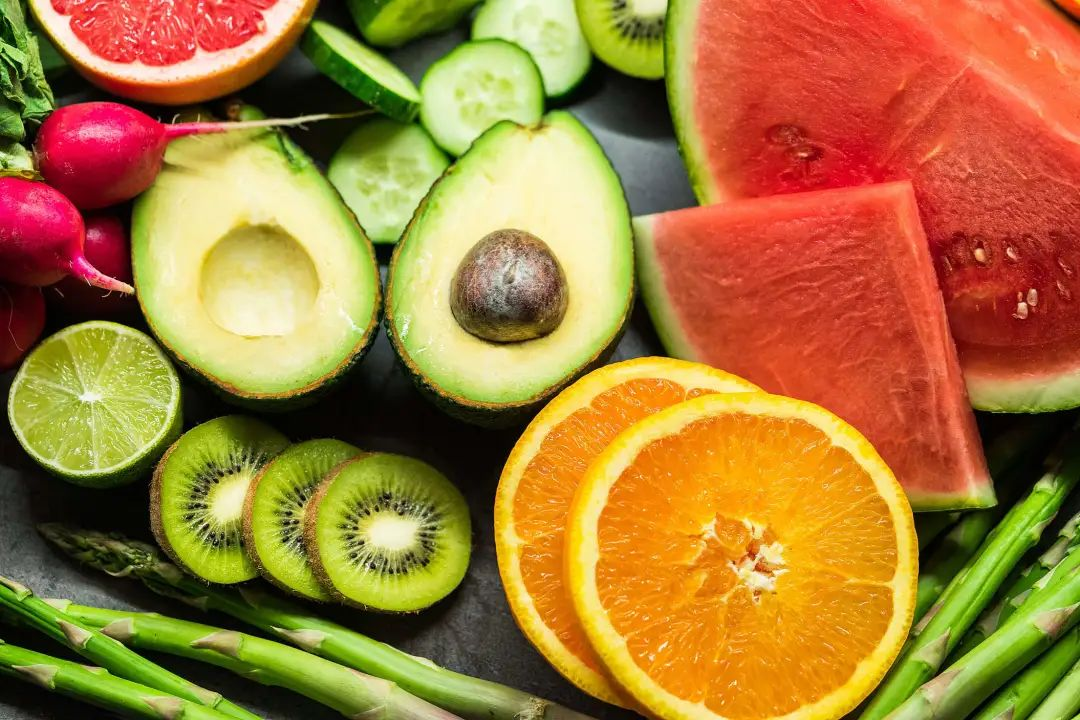
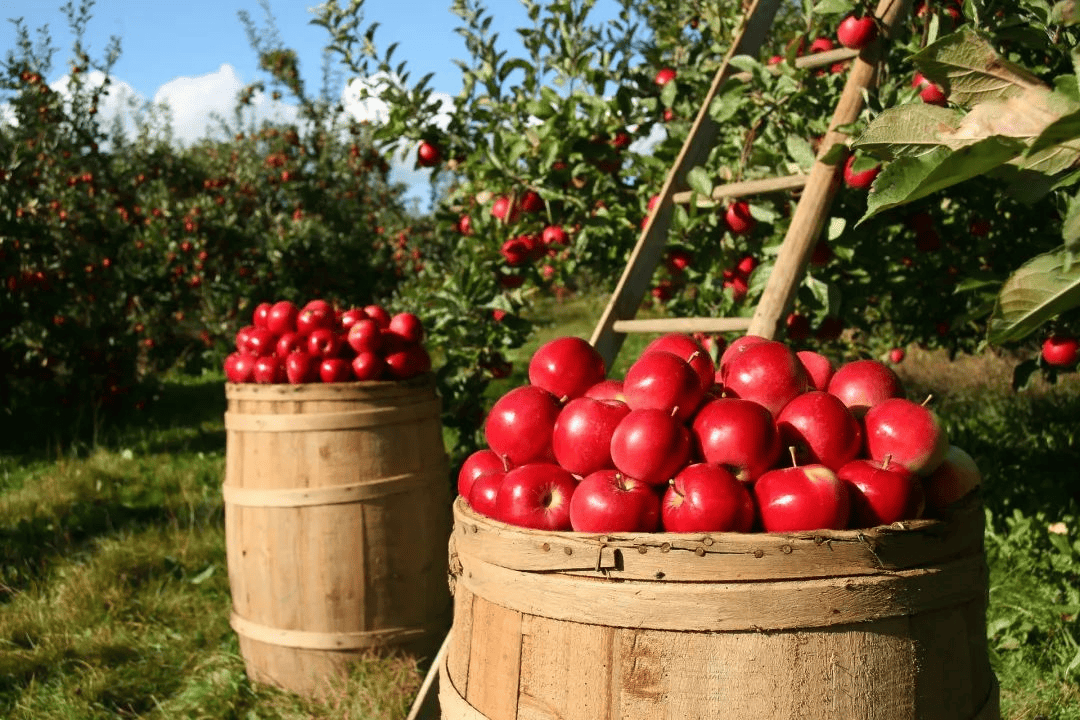
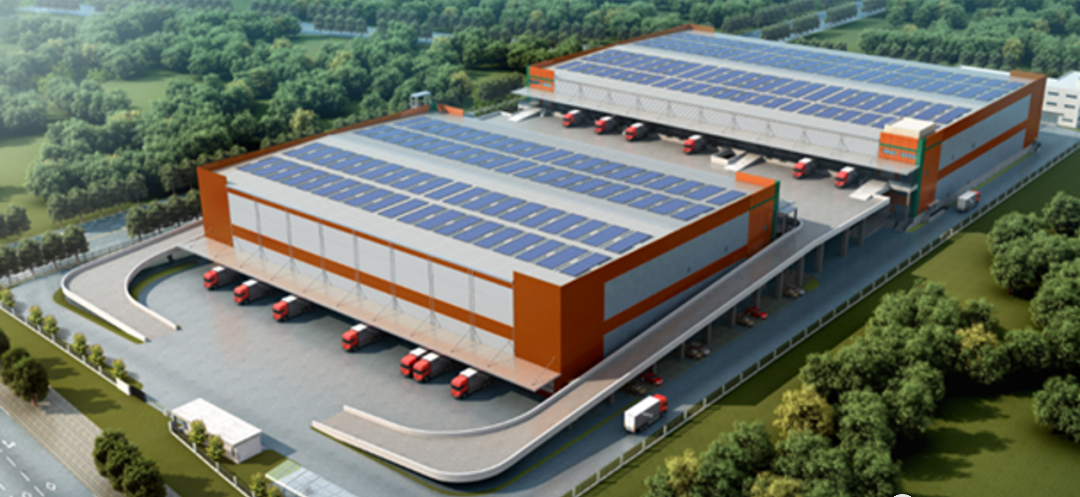
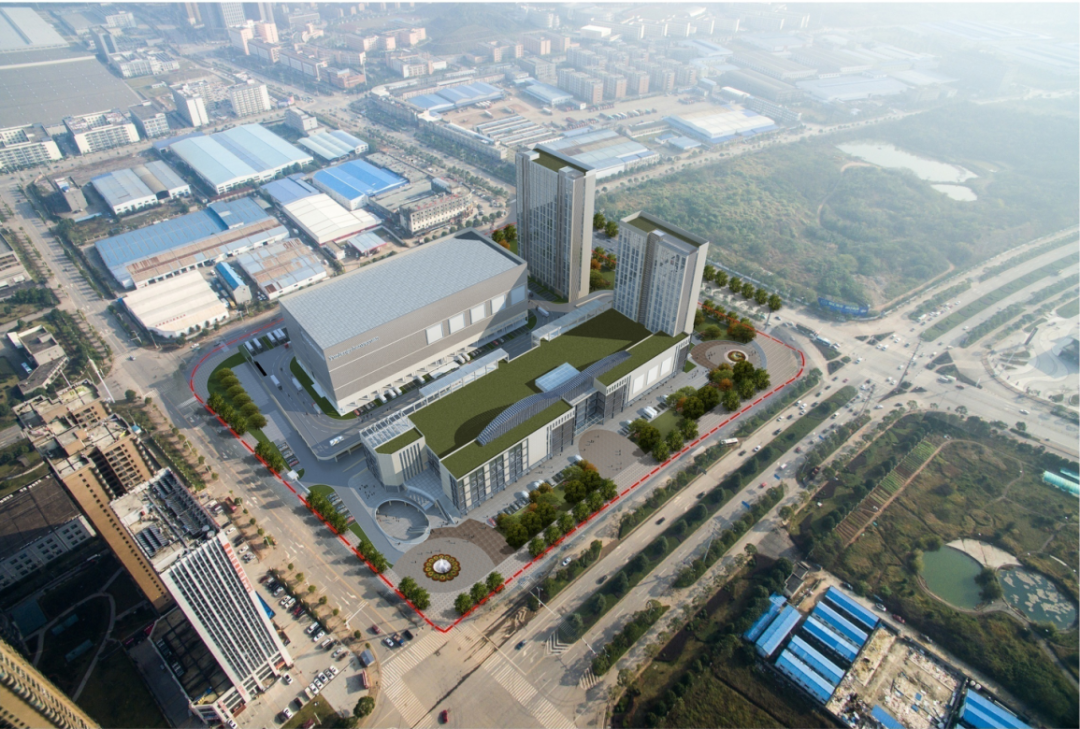
<p style="line-height: 150%;"><span style="font-family: 微软雅黑; line-height: 150%; font-size: 16px;">如果说过去的十七年国内轰轰烈烈地走过了以干仓与高标仓为代表的“物流地产”时代;那么2014年至今,则是物流地产商从高高的“电商经济”神坛逐步走下,开始致力于探索新的产业需求并以冷链为目标展开探索的7年。<br/></span></p><p style="margin: 0px; padding: 0px; line-height: 150%;"><span style="font-family: 微软雅黑; line-height: 150%; font-size: 16px;">&nbsp;</span></p><p style="margin: 0px; padding: 0px; line-height: 150%;"><span style="font-family: 微软雅黑; line-height: 150%; font-size: 16px;">于是,冷库作为冷链产业的核心重资产,便吸引了更多投资机构和投资方,出手这一“蓝海”。然而,干仓和冷仓尽管同属物流范畴,但存在着迥然不同的产业思维和运营逻辑。</span></p><p style="margin: 0px; padding: 0px; line-height: 150%;"><span style="font-family: 微软雅黑; line-height: 150%; font-size: 16px;">&nbsp;</span></p><p style="margin: 0px; padding: 0px; line-height: 150%;"><span style="font-family: 微软雅黑; line-height: 150%; font-size: 16px;">从产业链角度,如果我们将冷链所针对的食品与食材,分为本土农产品和进口农产品,尤其是生鲜农产品,都是涉及冷链消费的餐饮、商超和农批等企业所构架冷链供应链体系的基础源头,以下这些官方数据就非常具有现实意义。</span></p><p style="margin: 0px; padding: 0px; line-height: 150%;"><span style="font-family: 微软雅黑; line-height: 150%; font-size: 16px;">&nbsp;</span></p><p style="margin: 0px; padding: 0px; line-height: 150%;"><span style="font-size: 16px;"><span style="font-family: 微软雅黑; line-height: 150%;">2016-2020年全国农产品进出口规模逐年增长,</span><strong><span style="font-family: 微软雅黑; line-height: 150%;">2020年进口农产品总额为11831.7亿元,占农产品进出口总额的69.2%;其中,4664亿元为生鲜农产品进口规模,占到生鲜农产品进出口总额的62.7%</span></strong><strong><sup><span style="line-height: 150%; vertical-align: super; font-family: 微软雅黑;">1</span></sup></strong><strong><span style="font-family: 微软雅黑; line-height: 150%;">。</span></strong><strong><span style="font-family: 微软雅黑; line-height: 150%;"></span></strong></span></p><p style="margin: 0px; padding: 0px; line-height: 150%;"><span style="font-family: 微软雅黑; line-height: 150%; font-size: 16px;">&nbsp;</span></p><p style="line-height: 150%;"><img src="/uploads/image/20220809/1660013403466799.png" title="1660013403466799.png" alt="1660013403466799.png" width="497" height="329" style="width: 497px; height: 329px;"/><span style="font-family: 微软雅黑; line-height: 150%; font-size: 16px;">&nbsp;</span></p><p style="margin: 0px; padding: 0px; line-height: 150%;"><span style="font-family: 微软雅黑; line-height: 150%; font-size: 12px;">图源:Pixabay</span></p><p style="margin: 0px; padding: 0px; line-height: 150%;"><span style="font-family: 微软雅黑; line-height: 150%; font-size: 16px;">&nbsp;</span></p><p style="margin: 0px; padding: 0px; line-height: 150%;"><span style="font-family: 微软雅黑; line-height: 150%; font-size: 16px;"><br/></span></p><p style="margin: 0px; padding: 0px; line-height: 150%;"><span style="font-size: 18px;"><strong><span style="font-family: 微软雅黑; line-height: 150%;">一、农产品进出口形成规模性逆差</span></strong><strong><span style="font-family: 微软雅黑; line-height: 150%;">国民消费结构变化对冷库产生深刻影响</span></strong></span></p><p style="margin: 0px; padding: 0px; line-height: 150%;"><span style="font-family: 微软雅黑; line-height: 150%; font-size: 16px;">&nbsp;</span></p><p style="margin: 0px; padding: 0px; line-height: 150%;"><span style="font-size: 16px;"><strong><span style="font-family: 微软雅黑; line-height: 150%;">2020年初以来的疫情并没有抑制农产品进口高速增长,反而与农产品出口形成了规模性逆差。</span></strong><span style="font-family: 微软雅黑; line-height: 150%;">尽管为抑制疫情输入,我国政府加强了对水海鲜产品的进口控制,但肉类、蛋奶和果蔬类产品的进口却爆发性增长,填补了水海鲜产品进口的规模缺口,使得</span><strong><span style="font-family: 微软雅黑; line-height: 150%;">总量不降反升</span></strong><span style="font-family: 微软雅黑; line-height: 150%;">。</span></span></p><p style="margin: 0px; padding: 0px; line-height: 150%;"><span style="font-family: 微软雅黑; line-height: 150%; font-size: 16px;">&nbsp;</span></p><p style="margin: 0px; padding: 0px; line-height: 150%;"><span style="font-family: 微软雅黑; line-height: 150%; font-size: 16px;">作为短周期、快消费的生鲜农产品,高比重大规模的境外引进,更反映出国民尤其是城市对生鲜农产品消费的结构正在发生由国内本土产品为向境外进口产品倾斜的重大转变。</span></p><p style="margin: 0px; padding: 0px; line-height: 150%;"><span style="font-family: 微软雅黑; line-height: 150%; font-size: 16px;">&nbsp;</span></p><p style="margin: 0px; padding: 0px; line-height: 150%;"><span style="font-family: 微软雅黑; line-height: 150%; font-size: 16px;">而这一结构变化,对冷库的区域和网络布局将会有深刻影响,更趋向于一二线城市及周边,空海港及进口口岸成为热点,而且不同产源结构及其物理形态的差异,也将决定冷库的建筑形态、硬件条件和运营方式。</span></p><p style="margin: 0px; padding: 0px; line-height: 150%;"><span style="font-family: 微软雅黑; line-height: 150%; font-size: 16px;">&nbsp;</span></p><p style="margin: 0px; padding: 0px; line-height: 150%;"><span style="font-family: 微软雅黑; line-height: 150%; font-size: 16px;">&nbsp;</span></p><p style="margin: 0px; padding: 0px; line-height: 150%;"><span style="font-size: 18px;"><strong><span style="font-family: 微软雅黑; line-height: 150%;">二、以成本为关注的变化趋势</span></strong><strong><span style="font-family: 微软雅黑; line-height: 150%;">决定国内冷库更趋精细化和再分拣</span></strong></span></p><p style="margin: 0px; padding: 0px; line-height: 150%;"><span style="font-family: 微软雅黑; line-height: 150%; font-size: 13px;"><br/></span></p><p style="margin: 0px; padding: 0px; line-height: 150%;"><span style="font-size: 16px;"><span style="font-family: 微软雅黑; line-height: 150%;">从进口食品食材的国家地区结构关系来看,</span><strong><span style="line-height: 150%; font-family: 微软雅黑;">亚洲以1800亿及32.4%</span></strong><strong><sup><span style="line-height: 150%; vertical-align: super; font-family: 微软雅黑;">2</span></sup></strong><strong><span style="font-family: 微软雅黑; line-height: 150%;">的增幅</span></strong><span style="font-family: 微软雅黑; line-height: 150%;">,成为中国第一大进口生鲜农产品输入地,其次是大洋洲和北美。</span></span></p><p style="margin: 0px; padding: 0px; line-height: 150%;"><span style="font-family: 微软雅黑; line-height: 150%; font-size: 16px;">&nbsp;</span></p><p style="margin: 0px; padding: 0px; line-height: 150%;"><span style="font-size: 16px;"><span style="font-family: 微软雅黑; line-height: 150%;">而且东南亚因其综合成本的优势,已经成为全球生鲜农产品登陆中国市场的主要预处理加工地及其市场。</span><strong><span style="font-family: 微软雅黑; line-height: 150%;">这种以成本为关注的变化趋势,也将决定国内冷库的加工功能,更趋于精细化和再分拣。</span></strong><strong><span style="font-family: 微软雅黑; line-height: 150%;"></span></strong></span></p><p style="margin: 0px; padding: 0px; line-height: 150%;"><span style="font-family: 微软雅黑; line-height: 150%; font-size: 16px;">&nbsp;</span></p><p style="line-height: 150%;"><img src="/uploads/image/20220809/1660013558545767.png" title="1660013558545767.png" alt="1660013558545767.png" width="497" height="331" style="width: 497px; height: 331px;"/><span style="font-family: 微软雅黑; line-height: 150%; font-size: 16px;">&nbsp;</span></p><p style="margin: 0px; padding: 0px; line-height: 150%;"><span style="font-family: 微软雅黑; line-height: 150%; font-size: 12px;">图源:Pexels</span></p><p style="margin: 0px; padding: 0px; line-height: 150%;"><span style="font-family: 微软雅黑; line-height: 150%; font-size: 16px;">&nbsp;</span></p><p style="margin: 0px; padding: 0px; line-height: 150%;"><span style="font-family: 微软雅黑; line-height: 150%; font-size: 16px;"><br/></span></p><p style="margin: 0px; padding: 0px; line-height: 150%;"><span style="font-size: 18px;"><strong><span style="font-family: 微软雅黑; line-height: 150%;">三、冷链产业与高标干仓物流园布局高度重合</span></strong><strong><span style="font-family: 微软雅黑; line-height: 150%;">规模消费有利于形成冷库规模化</span></strong></span></p><p style="margin: 0px; padding: 0px; line-height: 150%;"><span style="font-family: 微软雅黑; line-height: 150%; font-size: 16px;">&nbsp;</span></p><p style="margin: 0px; padding: 0px; line-height: 150%;"><span style="font-size: 16px;"><span style="font-family: 微软雅黑; line-height: 150%;">目前国内物流地产商的主要高标干仓物流园布局与国内冷链产业布局、城市冷链产品的消费区域、冷链枢纽区域均</span><strong><span style="font-family: 微软雅黑; line-height: 150%;">高度重合</span></strong><span style="font-family: 微软雅黑; line-height: 150%;">,都集中在长三角、京津冀、含粤港澳大湾区在内的珠三角,以及成都武汉长沙等一线城市枢纽周边。</span></span></p><p style="margin: 0px; padding: 0px; line-height: 150%;"><span style="font-family: 微软雅黑; line-height: 150%; font-size: 16px;">&nbsp;</span></p><p style="margin: 0px; padding: 0px; line-height: 150%;"><span style="font-family: 微软雅黑; line-height: 150%; font-size: 16px;">由此可见,业已形成的干仓高标仓园区及其网络,将直接通过对现有干仓存量的冷库改造(即“干改冷”)形成一种冷库类型,当然通过二次建设形成的硬件投入和标准,在价格成本和利用率上存在蛮大差异。</span></p><p style="margin: 0px; padding: 0px; line-height: 150%;"><span style="font-family: 微软雅黑; line-height: 150%; font-size: 16px;">&nbsp;</span></p><p style="margin: 0px; padding: 0px; line-height: 150%;"><span style="font-size: 16px;"><span style="font-family: 微软雅黑; line-height: 150%;">毋庸置疑,</span><strong><span style="font-family: 微软雅黑; line-height: 150%;">“城市化水平”、“终端消费力”、“储与运枢纽”和“口岸经济圈”</span></strong><span style="font-family: 微软雅黑; line-height: 150%;">已经成为国内冷库投资选址与布局的重点要素。</span></span></p><p style="margin: 0px; padding: 0px; line-height: 150%;"><span style="font-family: 微软雅黑; line-height: 150%; font-size: 16px;">&nbsp;</span></p><p style="margin: 0px; padding: 0px; line-height: 150%;"><span style="font-family: 微软雅黑; line-height: 150%; font-size: 16px;">依托终端餐饮和居民消费形成的各级城市本土生鲜农产品消费市场,农批市场历史以来都是极具本土特色的产业链枢纽,这种因市场需求形成的供需优化,并不能形成规模化的冷库需求效应。</span></p><p style="margin: 0px; padding: 0px; line-height: 150%;"><span style="font-family: 微软雅黑; line-height: 150%; font-size: 16px;">&nbsp;</span></p><p style="margin: 0px; padding: 0px; line-height: 150%;"><span style="font-size: 16px;"><span style="font-family: 微软雅黑; line-height: 150%;">而进口生鲜农产品因规模化引进和城市集中消费,却在具备规模消费的</span><strong><span style="font-family: 微软雅黑; line-height: 150%;">一二线城市及周边、城际交通枢纽,</span></strong><span style="font-family: 微软雅黑; line-height: 150%;">形成大量的冷库规模需求,同时也在逐步驱逐本土生鲜农产品并占据其市场份额。</span></span></p><p style="margin: 0px; padding: 0px; line-height: 150%;"><span style="font-family: 微软雅黑; line-height: 150%; font-size: 16px;">&nbsp;</span></p><p style="line-height: 150%;"><img src="/uploads/image/20220809/1660013618187573.png" title="1660013618187573.png" alt="1660013618187573.png" width="497" height="331" style="width: 497px; height: 331px;"/><span style="font-family: 微软雅黑; line-height: 150%; font-size: 16px;">&nbsp;</span></p><p style="margin: 0px; padding: 0px; line-height: 150%;"><span style="font-family: 微软雅黑; line-height: 150%; font-size: 16px;">图源:Pixabay</span></p><p style="margin: 0px; padding: 0px; line-height: 150%;"><span style="font-family: 微软雅黑; line-height: 150%; font-size: 16px;">&nbsp;</span></p><p style="margin: 0px; padding: 0px; line-height: 150%;"><span style="font-family: 微软雅黑; line-height: 150%; font-size: 16px;"><br/></span></p><p style="margin: 0px; padding: 0px; line-height: 150%;"><span style="font-size: 18px;"><strong><span style="font-family: 微软雅黑; line-height: 150%;">四、进口生鲜农产品比本土生鲜农产品</span></strong><strong><span style="font-family: 微软雅黑; line-height: 150%;">在冷链需求上更易规模化</span></strong></span></p><p style="margin: 0px; padding: 0px; line-height: 150%;"><span style="font-size: 16px;"><strong><span style="font-family: 微软雅黑; line-height: 150%; font-size: 13px;"><br/></span></strong></span></p><p style="margin: 0px; padding: 0px; line-height: 150%;"><span style="font-size: 16px;"><span style="font-family: 微软雅黑; line-height: 150%;">第一,</span><strong><span style="font-family: 微软雅黑; line-height: 150%;">政策层面,</span></strong><span style="font-family: 微软雅黑; line-height: 150%;">进口生鲜农产品随着国家主动鼓励更多境外企业及其产品进入中国市场而被放开,如每年的进博会;</span></span></p><p style="margin: 0px; padding: 0px; line-height: 150%;"><span style="font-family: 微软雅黑; line-height: 150%; font-size: 16px;">&nbsp;</span></p><p style="margin: 0px; padding: 0px; line-height: 150%;"><span style="font-size: 16px;"><span style="font-family: 微软雅黑; line-height: 150%;">第二,国内主要的生鲜农产品消费集中地和规模化消费城市大部分集中在沿海东部地区,与中国主要的规模进口口岸地相交织,进口生鲜农产品一旦登陆将直接面对消费市场,即</span><strong><span style="font-family: 微软雅黑; line-height: 150%;">“准产原地”与终端市场重叠,</span></strong><span style="line-height: 150%; font-family: 微软雅黑;">实际是压缩了供应链距离,甚至是0距离;</span></span></p><p style="margin: 0px; padding: 0px; line-height: 150%;"><span style="font-family: 微软雅黑; line-height: 150%; font-size: 16px;">&nbsp;</span></p><p style="margin: 0px; padding: 0px; line-height: 150%;"><span style="font-size: 16px;"><span style="font-family: 微软雅黑; line-height: 150%;">第三,也是这个原因,由于进口商品的贸易特征,将马上在消费城市及其周边形成规模囤货,直接发起对城市生鲜农产品市场的份额争夺,</span><strong><span style="font-family: 微软雅黑; line-height: 150%;">而其更具有规模价格优势。</span></strong><span style="line-height: 150%; font-family: 微软雅黑;">而农批市场作为国内传统以来城市餐饮和居民消费对生鲜农产品的重要供给环节,由于形成的看似“优化”的供应链体系,即“以销定产”,事实上从国内产原地到城市消费地的客观空间距离、转运规模和基于时间的损耗等因素,反而较之进口生鲜农产品的供应链距离要长,也不具备消费地囤货所形成的价格竞争优势,这就是第三个因素:</span><strong><span style="line-height: 150%; font-family: 微软雅黑;">形成了供应链的“驱逐”态势;</span></strong><strong><span style="line-height: 150%; font-family: 微软雅黑;"></span></strong></span></p><p style="margin: 0px; padding: 0px; line-height: 150%;"><span style="font-family: 微软雅黑; line-height: 150%; font-size: 16px;">&nbsp;</span></p><p style="margin: 0px; padding: 0px; line-height: 150%;"><span style="font-size: 16px;"><span style="font-family: 微软雅黑; line-height: 150%;">第四,由于</span><strong><span style="font-family: 微软雅黑; line-height: 150%;">直接面对城市终端消费市场的农批、生鲜电商等业态高度市场化,</span></strong><span style="font-family: 微软雅黑; line-height: 150%;">也导致了进口生鲜农产品以其</span><strong><span style="font-family: 微软雅黑; line-height: 150%;">价格、供给速度和供给的持续性</span></strong><span style="line-height: 150%; font-family: 微软雅黑;">等主客观优势,正在无情地抢占上述农批和电商等主渠道,再次逼迫本土生鲜农产品“退市”与“降额”,这就是为什么很多在国内自建农产品供应基地的企业均处于步履维艰的局面;</span></span></p><p style="margin: 0px; padding: 0px; line-height: 150%;"><span style="font-family: 微软雅黑; line-height: 150%; font-size: 16px;">&nbsp;</span></p><p style="margin: 0px; padding: 0px; line-height: 150%;"><span style="font-size: 16px;"><span style="font-family: 微软雅黑; line-height: 150%;">第五,距中国本土最近的</span><strong><span style="font-family: 微软雅黑; line-height: 150%;">东南亚</span></strong><span style="font-family: 微软雅黑; line-height: 150%;">,以其非常低廉的劳动力、土地等综合成本,已经成为境外农产品及生鲜农产品的</span><strong><span style="font-family: 微软雅黑; line-height: 150%;">加工转运枢纽</span></strong><span style="font-family: 微软雅黑; line-height: 150%;">,其加工生产和过境物流已形成相当大的规模,并能针对中国城市消费习惯快速形成多样化从分拣、包装、组合和供应组织的一条龙供应链体系,这对于本身在产原地没有形成对农产品预处理,在转运过程中更无法形成规模化处理的本土生鲜农产品供应链,只能呈现出品质规格、包装组合和供应组织上的颇多劣势。</span></span></p><p style="margin: 0px; padding: 0px; line-height: 150%;"><span style="font-family: 微软雅黑; line-height: 150%; font-size: 16px;">&nbsp;</span></p><p style="margin: 0px; padding: 0px; line-height: 150%;"><span style="font-size: 16px;"><strong><span style="font-family: 微软雅黑; line-height: 150%;">数据来源:</span></strong><strong><span style="font-family: 微软雅黑; line-height: 150%;"></span></strong></span></p><p style="margin: 0px; padding: 0px; line-height: 150%;"><span style="font-family: 微软雅黑; line-height: 150%; font-size: 16px;">【1】海关总署</span></p><p style="margin: 0px; padding: 0px; line-height: 150%;"><span style="font-family: 微软雅黑; line-height: 150%; font-size: 16px;">【2】前瞻产业研究院整理</span></p><p style="margin: 0px; padding: 0px; line-height: 150%;"><span style="font-family: 微软雅黑; line-height: 150%; font-size: 16px;"><br/></span></p><p style="margin: 0px; padding: 0px; line-height: 150%; text-align: center;"><span style="font-family: 微软雅黑; text-align: center;">- 作者 -</span></p><p style="margin: 0px; padding: 0px; line-height: 150%;"><span style="font-family: 微软雅黑; line-height: 150%; font-size: 16px;">&nbsp;</span></p><p style="margin: 0px; padding: 0px; line-height: 150%;"><span style="font-family: 微软雅黑; line-height: 150%; font-size: 16px;">王沁,现任冷库视界专家委员会主席。深耕冷链行业多年,实操经验丰富。历任佳兆业供应链科技集团有限公司副总裁,宇培国际控股集团有限公司高级副总裁,印尼力宝集团美佳达公司产业副总裁,普洛斯投资管理(中国)有限公司副总裁,招商局物流集团成都医药公司总经理、执行董事,苏州上药供应链有限公司常务副总经理,上海医药股份战略规划室主任等职</span></p><p style="margin: 0px; padding: 0px; line-height: 150%;"><span style="font-family: 微软雅黑; line-height: 150%; font-size: 16px;"><br/></span></p><p style="margin: 0px; padding: 0px; line-height: 150%;"><span style="font-family: 微软雅黑; line-height: 150%; font-size: 16px;"><br/></span></p><p style="margin: 0px; padding: 0px; line-height: 150%;"><br/></p>
关键词: 专家观点
相关新闻